Please enter your email address
To continue reading please enter your email address, we promise we will not pass this on to anyone. We will use it only to inform you of interesting news pertaining to Apex Recruitment.
The UK EV & Battery Skills Gap: Is the Midlands Automotive Sector Ready?
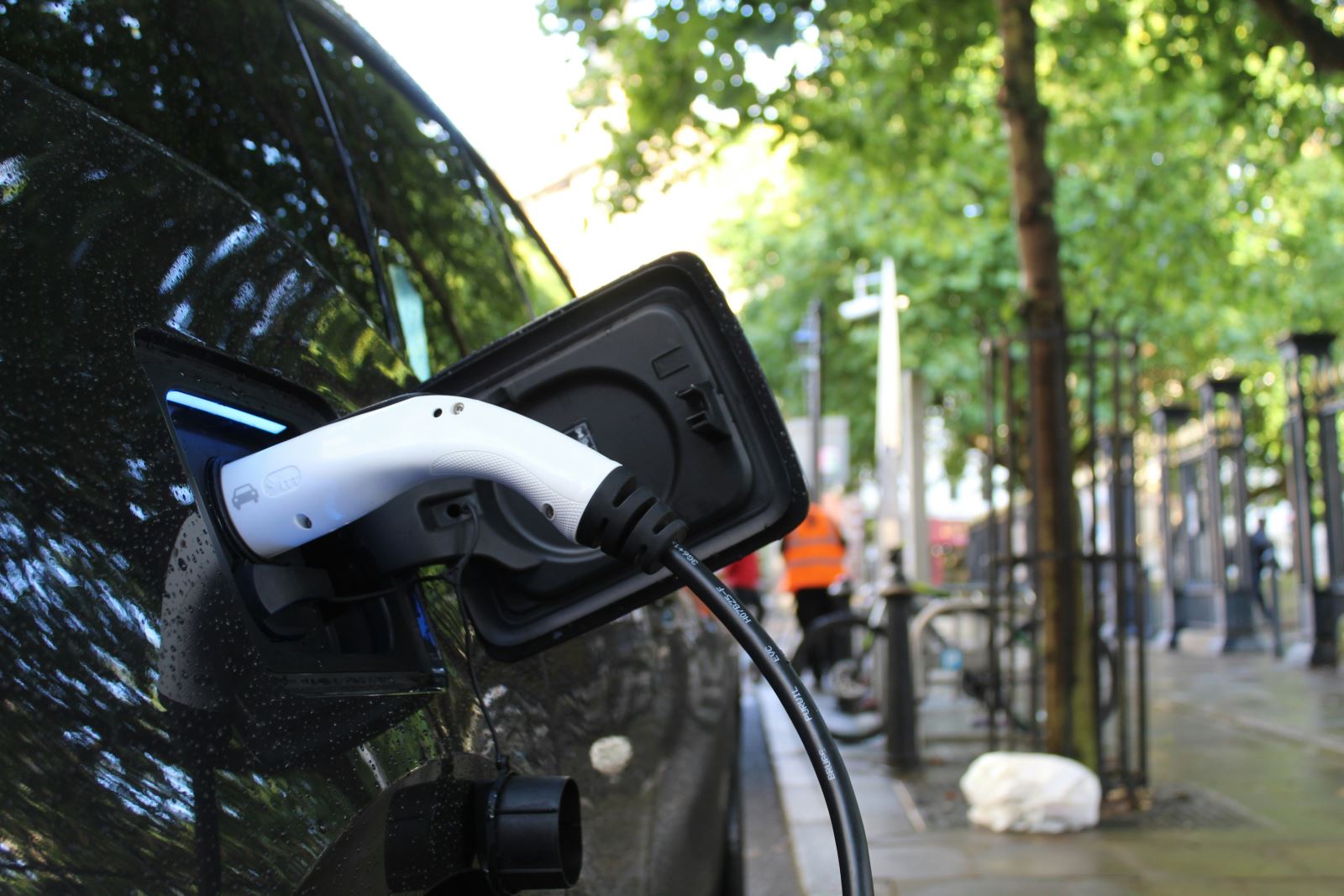
The UK EV & Battery Skills Gap: Is the Midlands Automotive Sector Ready?
The UK electric vehicle (EV) market is accelerating — and nowhere is that shift more visible than in the Midlands.
As the historic heart of British automotive manufacturing, the Midlands is central to the UK’s transition to electric vehicles. With the Zero Emission Vehicle (ZEV) mandate increasing annual EV sales targets and the 2035 petrol and diesel phase-out approaching, electrification is no longer a future ambition. It is a current operational reality.
But while investment into EV manufacturing, battery technology and giga factories is increasing, a critical challenge remains:
Does the UK have the EV engineering talent to support this growth?
The Growth of the UK Electric Vehicle Market
The UK EV market has seen consistent year-on-year growth, with battery electric vehicles accounting for a growing percentage of new car registrations. Manufacturers are under pressure to meet ZEV mandate targets, while consumers are increasingly adopting electric cars due to infrastructure expansion and sustainability commitments.
Billions have been committed to UK EV manufacturing, battery production facilities and supply chain localisation. Battery giga factories and electrification R&D centres are reshaping the automotive landscape.
For the Midlands — home to major OEMs, Tier 1 suppliers and advanced engineering firms — this represents a significant opportunity.
However, rapid market growth is exposing a widening EV skills gap in the UK automotive sector.
Where the UK EV Skills Shortage Is Emerging
The Midlands retains strong expertise in mechanical engineering and advanced manufacturing. Traditional automotive capability remains robust.
The challenge lies in specialist electrification skills, including:
-
High-voltage systems engineering
-
Battery management systems (BMS)
-
Power electronics design
-
Embedded automotive software
-
Electrified powertrain development
-
EV project and programme leadership
These skills are not limited to automotive. Engineers with experience in battery technology and electrification are also being recruited by renewable energy, aerospace, defence and advanced technology firms.
As a result, the competition for EV engineering talent in the UK is intensifying.
The issue is not a lack of engineers overall — it is a shortage of engineers with relevant electric vehicle and battery expertise.
Why the Midlands Is Facing Increased Talent Competition
The Midlands automotive sector benefits from:
-
Established manufacturing infrastructure
-
Strong university partnerships
-
Deep-rooted automotive supply chains
-
Proximity to major UK EV investment sites
However, as more organisations expand their EV programmes, they are often targeting the same limited talent pool.
This is driving:
-
Increased salary expectations
-
Higher counteroffer rates
-
Longer time-to-hire in EV recruitment
-
Greater reliance on contractors
For employers, unfilled EV engineering roles can delay product development, slow innovation and increase operational risk.
In a market where electrification timelines are commercially critical, talent acquisition has become a strategic differentiator.
The Risk of Delaying EV Talent Strategy
The UK automotive industry is undergoing one of its most significant transformations in decades.
Without proactive workforce planning, businesses risk:
-
Falling behind ZEV compliance targets
-
Losing competitive advantage
-
Overstretching existing engineering teams
-
Missing opportunities for innovation
Additionally, with an ageing engineering workforce across parts of UK manufacturing, succession planning is becoming increasingly important.
Upskilling existing mechanical engineers into electrification roles can be part of the solution — but only if supported by structured training and long-term capability planning.
How Forward-Thinking Midlands Employers Are Responding
The most resilient organisations in the UK EV market are taking a broader, more strategic approach to EV recruitment.
They are:
-
Hiring engineers from adjacent sectors such as renewables and aerospace
-
Investing in battery technology training and high-voltage certification
-
Streamlining hiring processes to secure specialist EV talent quickly
-
Strengthening their employer value proposition around innovation and sustainability
In a candidate-short market, speed and clarity in hiring processes are proving just as important as salary.
The Future of EV Recruitment in the UK
The transition to electric vehicles is reshaping automotive recruitment across the Midlands and the wider UK. Infrastructure investment is increasing. Consumer demand is growing. Regulatory direction is clear.
The remaining question is whether the UK automotive workforce can scale fast enough to meet demand.
For engineering and manufacturing leaders, EV recruitment is no longer reactive. It is a core part of business strategy. The Midlands has the heritage, capability and ecosystem to lead the UK EV transition. But leadership in 2026 will be defined not by legacy — but by talent strategy.
The UK EV & Battery Skills Gap: Is the Midlands Automotive Sector Ready? The UK EV & Battery Skills Gap: Is the Midlands Automotive Sector Ready?Contact Us
Share this on: